Exhibition at the University Library Erlangen-Nürnberg (UB), Exhibition Room of the Main Library in Erlangen
May 4–31, 2011
The University Library received a valuable addition in April 2009: a unique collection of approximately 1,400 bibliophile books.
Dr. Ulfert Ricklefs, a longtime university employee, collected these treasures over the course of several decades. To make them permanently available for interdisciplinary research, he donated his collection to the university.
The collection focuses on the early modern period (the 16th to 18th centuries). It covers nearly all areas of the humanities. Dr. Ricklefs was particularly interested in collecting books on theology and literary history.
Most of the works are extremely rare illustrated books whose copperplate engravings or woodcuts were created by leading artists of their time. The collection includes famous illustrated Bibles from the 16th to 18th centuries; significant illustration cycles of Ovid’s Metamorphoses; and important works of European fable poetry ranging from Aesop and Phaedrus to Jean de La Fontaine and John Gay.
The core of the collection includes works on the Dance of Death, emblems, and 19th-century English caricatures. Several outstanding examples from the fields of botany, zoology, and geography complete the collection.
FAU University Press published a catalog for the exhibition, priced at €24.95. An online version is available on OPEN FAU.
Photo gallery for the exhibition
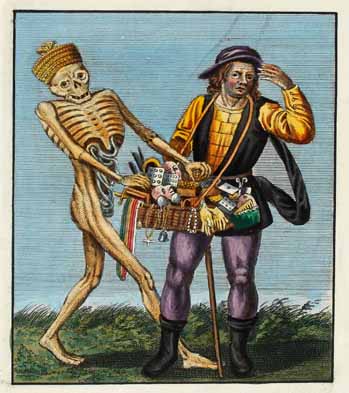
1/21Merian, Matthäus: Todten-Tanz wie derselbe … in Basel.. zu sehen ist Basel, 1830; Death Reaches for the Grocer.1/20
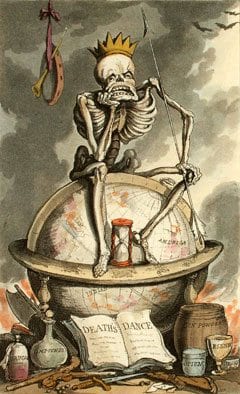
2/21Combe, William: The English Dance of Death London, 18162/20
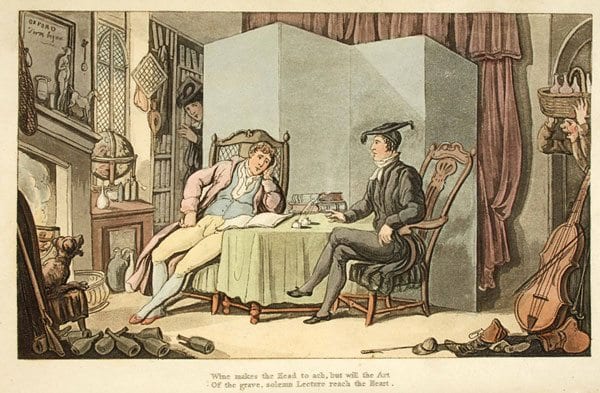
3/21Combe, William: The Dance of Life London, 1817; After a night of heavy drinking, a student listens to his tutor’s lecture in a daze.3/20
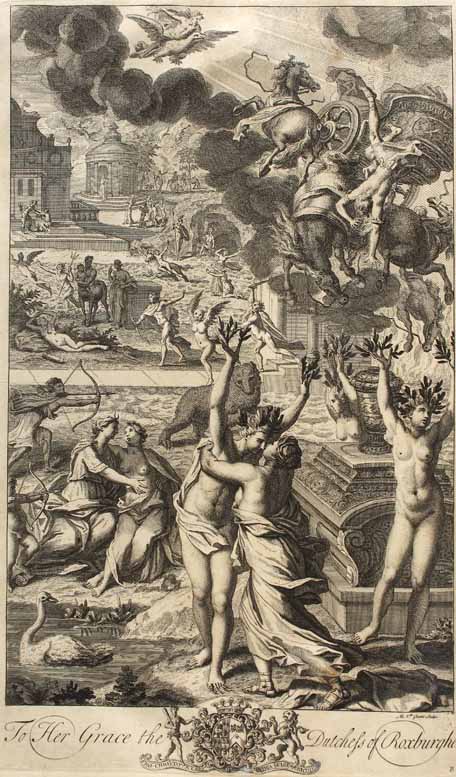
4/21Ovidius Naso, Publius: Ovid’s Metamorphosen in fifteen books London, 1717; Title page for volume two.4/20
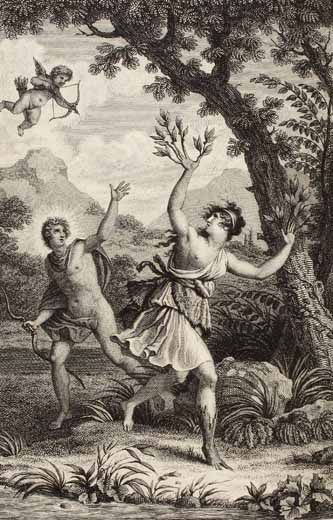
5/21Ovidius Naso, Publius: Les métamorphoses d’Ovide Paris, 1806; The nymph Daphne would rather be turned into a laurel tree than be loved by Apollo.5/20
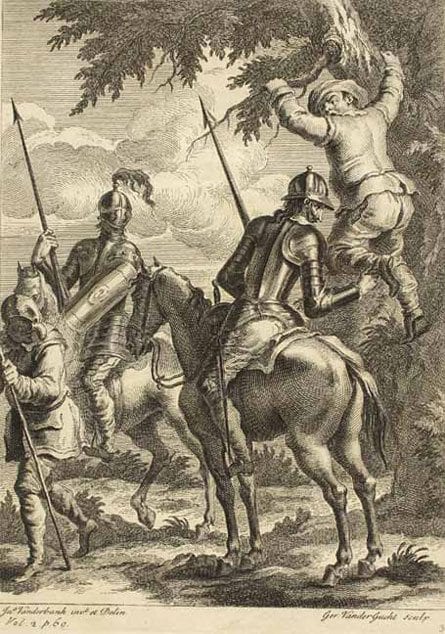
6/21Cervantes Saavedra, Miguel de: Don Quixote De La Mancha London, 1742; Don Quixote fights the Knight of the Mirrors, but first lifts Sancho Panza up onto a cork tree.6/20
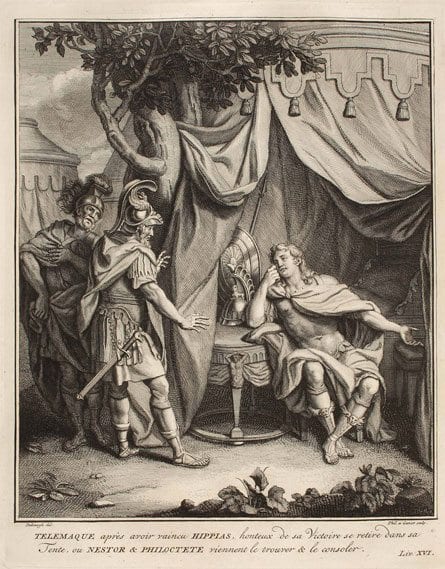
7/21Fénelon, François de Salignac de La Mothe: Les Avantures De Telemaque Amsterdam, 1734; Telemachus attacked Hippias in a fit of rage and is ashamed of his lack of self-control.7/20
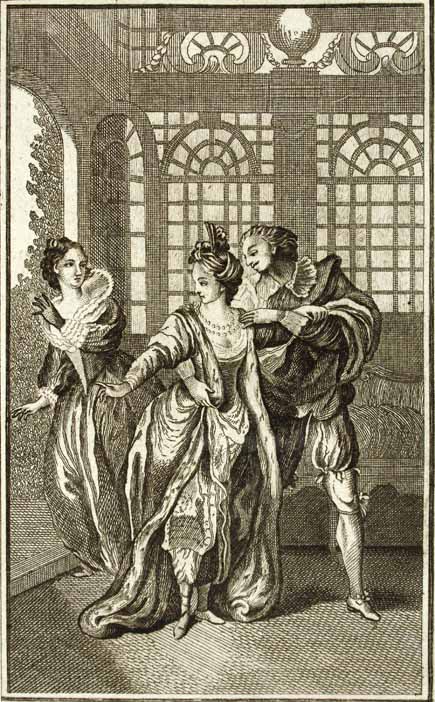
8/21LaFontaine, Jean de: Contes et nouvelles en vers Amsterdam, 17678/20
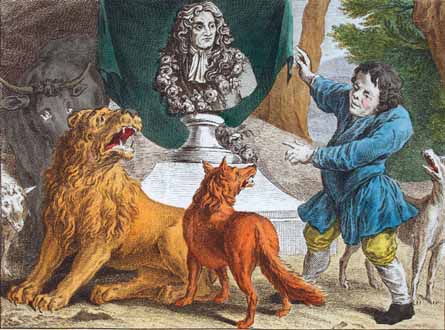
9/21LaFontaine, Jean de: Fables choisies, mises en vers Paris, 1822; The hunchbacked Aesop points to the mythical creatures depicted on La Fontaine’s bust.9/20
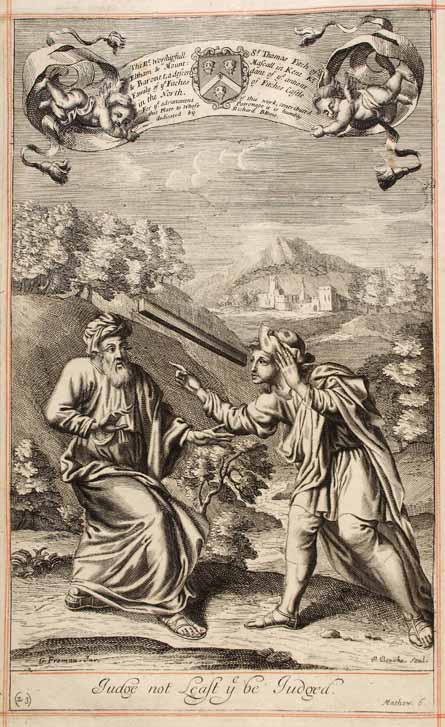
10/21Fontaine, Nicolas: The history of the Old and New Testament London, 1688-1690; Do not judge, so that you will not be judged.10/20
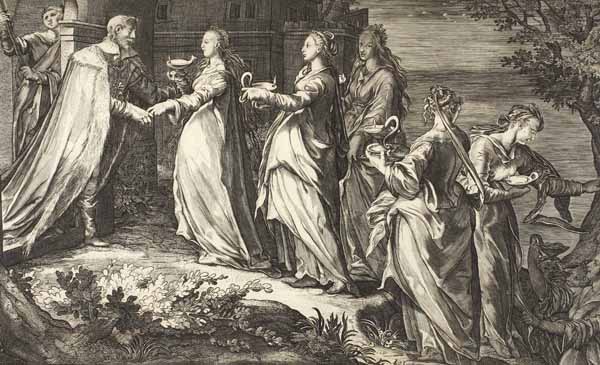
11/20Af-Beeldinghe Van D’Eerste Eevwe Der Societeyt Iesv Amsterdam, 1640; The Wise and the Foolish Virgins.11/20
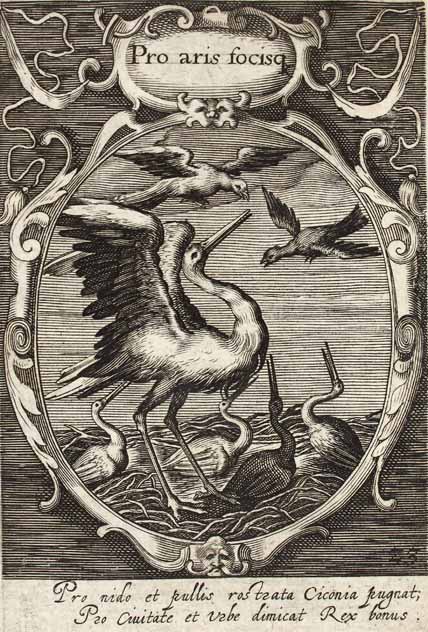
12/20Isselburg, Peter: Emblemata politica Nürnberg, 1617; Motive12/20
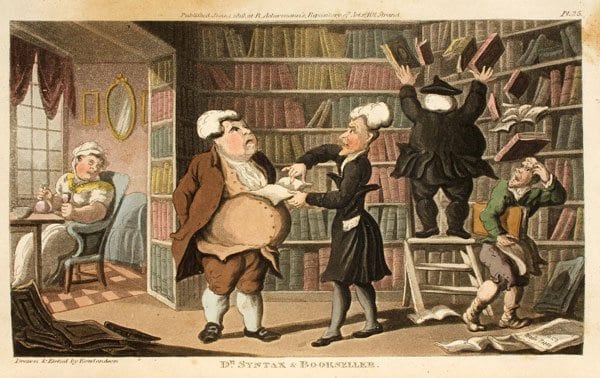
13/20Combe, William: The Tour of Doctor Syntax, in search of the Picturesque London, 1819; Dr. Syntax offers his travelogue to a bookseller for publication. It is only when he presents a letter from his noble patron that the bookseller changes his mind.13/20
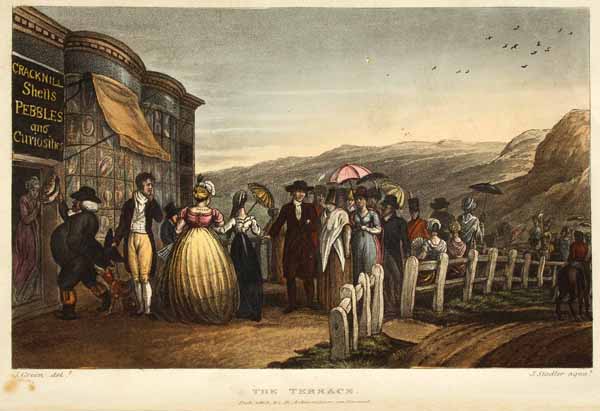
14/20Poetical sketches of Scarborough London, 1813; Well-to-do visitors in Scarborough stroll over to a curio shop to pass the time.14/20
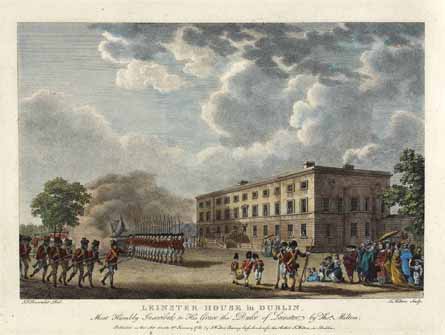
15/20Milton, Thomas: A collection of select views from the different seats of nobility and gentry in the Kingdom of Ireland Dublin, 1793; Leinster House, now the seat of the Irish Parliament.15/20
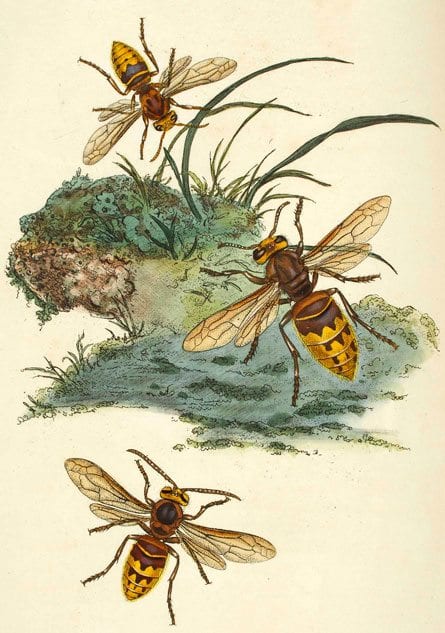
16/20Donovan, Edward: The natural history of British insects London, 1813; The picture shows hornets.16/20
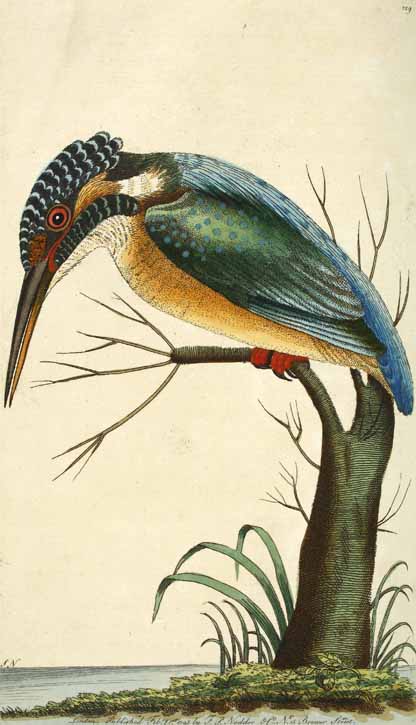
17/20Shaw, George: Vivarium Naturae London, 1790-1793; The Kingfisher17/20